
One vital factor in aging well is planning ahead-especially when it involves managing your wellness, funds, and legal matters. Whether you’re planning for your own future or aiding a member of the family browse theirs, a power of attorney (POA) is an estate preparation tool you must learn about.
What is a power of attorney?
A power of attorney is a legal paper that offers another person the authority to act on your part in certain issues. This person is known as your ‘agent.’
Depending upon the sort of POA, your agent could get associated with managing your funds and taking care of legal events. When a POA is used as part of development care planning, that person might take over your medical decisions if you have actually reduced mental capacity due to dementia, a traumatic brain injury, or various other condition.
POAs can be basic, covering several locations. Or they could be details and restrict a representative’s authority to specific jobs.
What is a sturdy power of attorney?
A durable power of attorney is a type of POA that continues to be basically even if you become incapacitated.read about it Pennsylvania POA Document comprehensive walkthrough from Our Articles That indicates your selected agent can continue choosing for you if you can no more make them yourself because of health problem, injury, or cognitive decrease (e.g., dementia, stroke). Having a durable POA in place can aid remove the time and expenditure of a court-appointed guardianship.
A resilient POA is different from a non-durable POA, which ends up being void if you endure a serious decrease in health and wellness or cognition.
What does a power of attorney permit someone to do?
A power of attorney gives your chosen agent the legal authority to act on your behalf in details methods. These could include:
- Financial matters like paying costs, taking care of financial investments, taking care of organization deals, offering building, or applying for Medicaid support
- Lawful matters such as signing agreements and handling insurer
- Medical decisions (with a clinical POA) including those pertaining to treatment alternatives, surgical treatments, taking care of home treatment, or end-of-life treatment
For instance, if you’re in the healthcare facility after surgery and can’t pay your home bills, your agent can step in and manage that for you up until you have actually returned home. They can also sign checks.
It is necessary to recognize that having power of attorney doesn’t provide a person endless power. In the POA record, you can define precisely what your agent can and can refrain on your behalf. For example, you might provide access to your monitoring and interest-bearing accounts but not enable them to market your home.
What are the types of power of attorney?
There are numerous types of POA. Each offers a various purpose and uses different degrees of control to the representative.
Below is a breakdown of the most common types of power of attorney:
- General power of attorney: This gives your agent wide authority to act upon your part in lots of matters-financial, lawful, or property-related. It’s commonly utilized for short-term requirements (e.g., when you’re taking a trip) and comes to be invalid if you end up being paralyzed somehow.
- Resilient power of attorney: As stated previously, a resilient POA resembles a basic POA, however continues even if you shed the capability to choose on your own. This is an excellent choice for older grownups due to the fact that it helps ensure connection in the event of health and wellness changes.
- Medical power of attorney: A medical POA (also called a health care POA or an advance regulation) gives a person (your ‘proxy’) the authority to make health care decisions for you if you can not connect your desires. A clinical power of attorney can cover healthcare and treatments, long-term care choices, and even end-of-life treatment preferences.
- Monetary power of attorney: This sort of POA focuses on cash matters like managing bank accounts, paying costs, filing taxes, taking care of investments, or buying/selling realty. A monetary POA may be required if you end up being incapacitated or if you’re incapable to manage your financial resources for one more factor.
- Springing power of attorney: Real to its name, this kind of POA ‘springs’ right into activity under specific problems, such as when you end up being mentally incapacitated. You specify the trigger in your POA file, such as when your physician proclaims you incapable to make sound choices based upon your health and wellness problem.
What does it suggest when a POA is withdrawed?
You can withdraw (terminate) a power of attorney record any time, as long as you’re mentally capable of making this choice. POAs additionally expire immediately upon fatality, implying your agent can’t act upon your part after you die. Then, your will certainly or estate plan takes over.
That is the most effective individual to choose for power of attorney?
Picking the ideal individual is equally as crucial as preparing the POA file itself. When picking a person to function as your representative, make sure they are:
- A person you trust completely (like a buddy or close family member)
- Responsible and arranged
- Acquainted with your wishes and values
- Comfy making important choices under pressure
- Able to communicate plainly with medical professionals, monetary specialists, or (various other) family members
Remember that representatives have legal responsibilities. Yours is obliged to act in your best interest; if they abuse their authority, they can be held accountable. That’s why it’s essential to pick your representative carefully.
If you provide power of attorney to a family member, keep family dynamics in mind. To avoid conflict, talk with the rest of your family regarding your choice and why you chose that specific person.
What is the very best method to establish a power of attorney?
Creating a POA doesn’t have to be demanding or challenging. Right here’s a quick introduction of how to do it:
- Decide what kind of POA you need: Do you need financial, clinical, resilient, or a combination? For instance, some older adults have both a clinical POA and a resilient POA to cover all their bases.
- Choose your agent: As we covered earlier, be sure you’re thoughtful in the individual you select. Don’t thrill (or be pressured) into a decision.
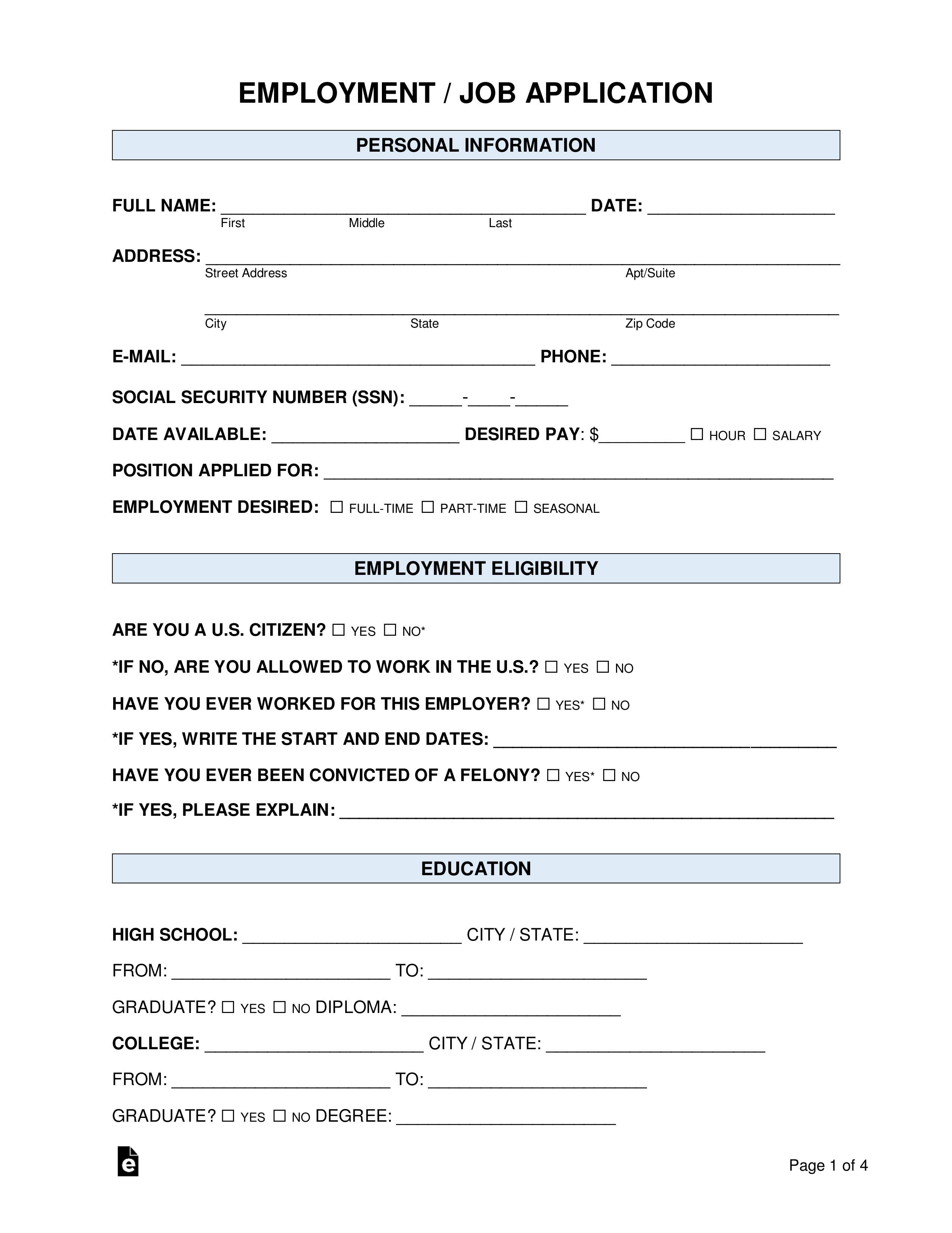
- Find the right forms: Several states give standardized POA kinds online, or you can obtain them from an attorney or lawful aid office.
- Fill in the documentation: Be clear concerning what kinds of authority you’re providing to your representative. This can help prevent confusion later on.
- Indicator and notarize: A lot of states need you to sign the POA file before a notary public and witnesses.
- Share duplicates: Offer duplicates of your POA to your agent, attorney, health care provider (if it’s a medical POA), and any member of the family who must be kept in the loophole. And of course, maintain a copy on your own.
- Talk with an attorney: An attorney will consider your POA with a vital eye to assist guarantee it stands and lined up with your requirements.
Legislations related to power of attorney vary by state, so always inspect local needs or speak with an attorney who knows with senior regulation.
Start preparing currently for an even more protected future
It’s never prematurely to begin the conversation concerning power of attorney and placed the ideal documents in place. Actually, being aggressive regarding estate planning is among the very best gifts you can provide on your own and your family.
‘I’m just attempting to hit home that an advance regulation is not something exclusively for seniors,’ Zorba Paster, MD, a Wisconsin-based medical professional, informed Wisconsin Public Radio. ‘Everybody must have one, just like everybody should have a will-and perhaps an added set of secrets you hide under that potted plant in case you get shut out of your house. It’s excellent planning.’