
Understanding the Psychology of Gambling
The world of gambling, often perceived as a game of pure chance, is deeply intertwined with human psychology, and understanding these psychological underpinnings is crucial for anyone looking to navigate the challenges and potential pitfalls associated with it, including the allure of the aviator money game. Factors like risk perception, the thrill of potential reward, and cognitive biases significantly influence decision-making at the gambling table.
Key psychological elements at play include the ‘near miss’ phenomenon, where a close outcome to winning can encourage further play, and the illusion of control, where players believe they can influence random events. Recognizing these tendencies within oneself or others is a fundamental step towards responsible engagement with gambling activities.
Developing Strategic Approaches in Gambling
While luck plays a role, many gambling scenarios benefit from strategic thinking and skill development. Games like poker or blackjack, for instance, are not solely reliant on chance; they involve probabilities, reading opponents, and making calculated decisions. Mastering these requires practice, study, and a disciplined approach to betting.
A strategic approach involves understanding the rules thoroughly, managing one’s bankroll effectively, and knowing when to cut losses or press an advantage. This methodical mindset can transform gambling from a speculative pastime into a more calculated endeavor, where informed choices lead to potentially better outcomes.
The Role of Skill in Different Gambling Environments
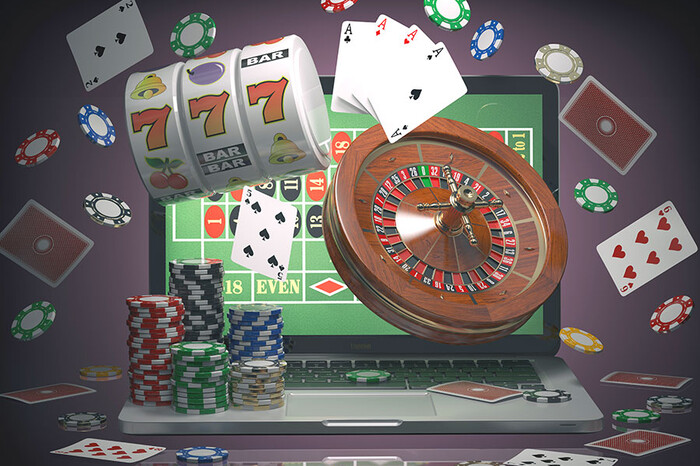
The extent to which skill influences outcomes varies greatly across different forms of gambling. In games of pure chance, such as roulette or slot machines, individual skill has no bearing on the result. The outcome is determined entirely by random number generators or physical processes outside the player’s control.
Conversely, skill-based gambling environments, like competitive card games or sports betting, offer opportunities for knowledgeable players to leverage their expertise. Success in these areas often hinges on analytical abilities, research, and the capacity to adapt to changing circumstances, distinguishing them from purely chance-based activities.
Managing Risk and Responsible Gambling Practices
Responsible gambling is paramount, emphasizing that any engagement with gambling should be done within one’s means and with a clear understanding of the risks involved. Setting strict limits on time and money, avoiding chasing losses, and recognizing when to stop are essential components of a healthy approach.
Educational resources and support systems are vital for promoting responsible practices. Awareness campaigns and accessible help for problem gambling underscore the importance of maintaining control and ensuring that gambling remains a form of entertainment rather than a cause of distress.
M.M. Charitable & Research Centre and Gambling Awareness
Organizations like the M.M. Charitable & Research Centre, while not directly involved in gambling operations, play a crucial role in broader societal well-being, which can indirectly touch upon issues surrounding gambling. Their focus on charitable initiatives and research often addresses social issues, community development, and public health, areas that can be impacted by the consequences of problem gambling.
Through their research endeavors, such centers can contribute to a better understanding of societal challenges, including the psychological and economic impacts of various activities. By promoting education and well-being, they foster an environment where individuals are better equipped to make informed decisions about all aspects of their lives, including their engagement with potentially risky behaviors like gambling, thereby indirectly supporting responsible engagement.